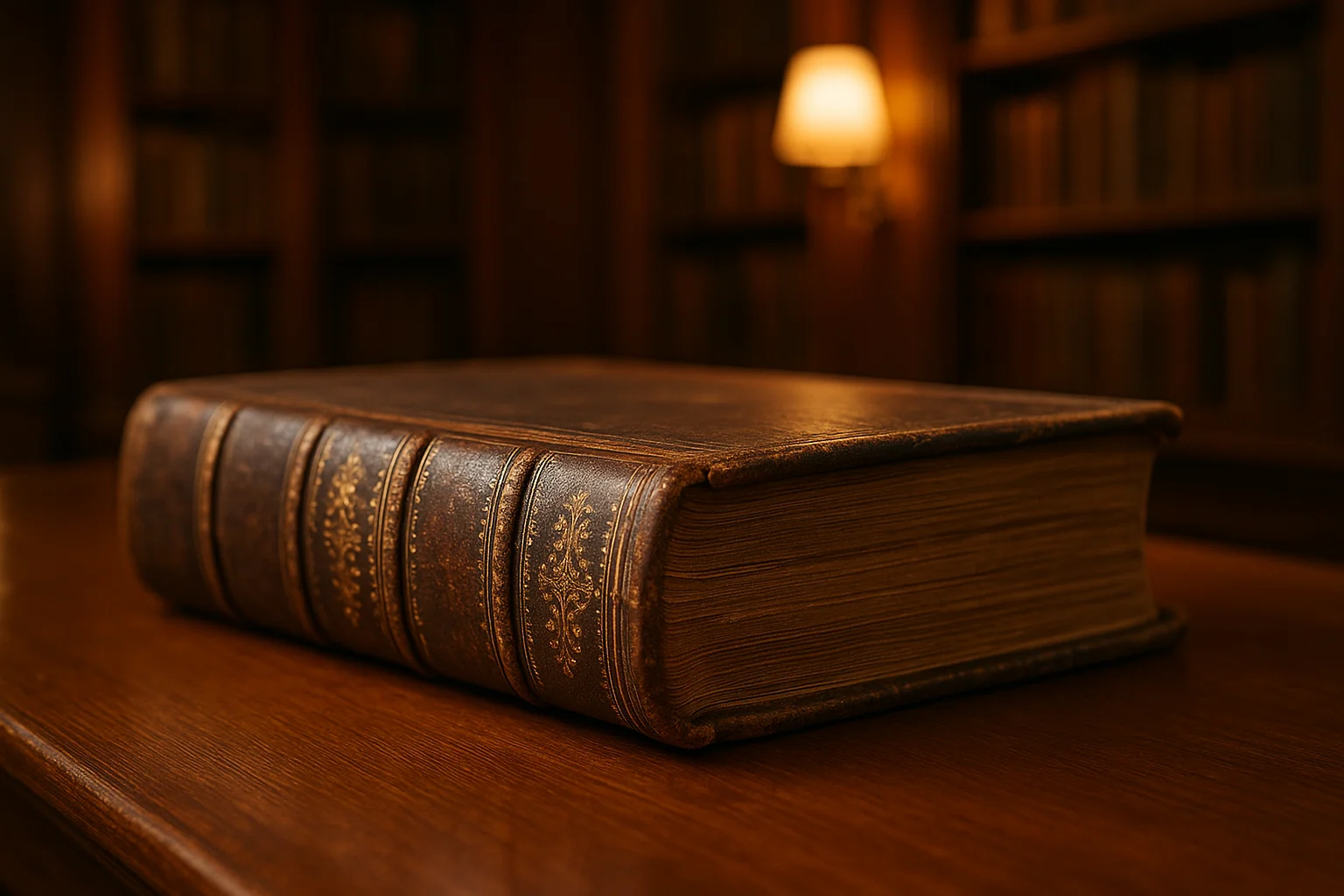
Most books people find in an attic, estate sale, or inherited collection aren't worth much beyond a used-book buyback price -- but a genuine minority are worth real money, sometimes hundreds or thousands of dollars. Here's what actually determines whether a book is valuable, so you can tell the difference before you sell it for pennies or pay to have it appraised.
What Actually Makes a Book Valuable
First Editions
The first printing of a first edition is almost always the most valuable version of any given book -- later printings, book club editions, and reprints are worth a fraction of the original. Identifying a true first edition requires checking the publisher's specific first-edition markers (often a number line, a specific printer's code, or explicit "First Edition" text), which vary by publisher and era. When in doubt, this is the single detail worth researching carefully before assuming what you have.
Signed Copies
An author's signature, especially with a personal inscription tied to a specific meaningful date or event, can significantly increase a book's value -- but only if the signature is verifiably authentic. Unverified or unauthenticated signatures add little to no value and can even create doubt about a book's legitimacy to serious buyers.
Condition and Dust Jacket
For modern first editions especially, the presence and condition of the original dust jacket often matters as much as the book itself -- a first edition without its jacket can be worth a small fraction of the same book with an intact, undamaged jacket. Water damage, foxing (age spots), spine creasing, and missing pages all reduce value significantly.
Scarcity and Print Run Size
A first edition with a small original print run is inherently rarer than one printed in the hundreds of thousands, all else being equal. Some genuinely important books had surprisingly small first printings before demand caught up, which is part of why identifying true firsts matters so much.
Historical or Cultural Significance
Books tied to major historical events, movements, or figures -- or genuinely important works in their field -- often carry value beyond what edition or condition alone would suggest.
Quick Checklist Before You Assume a Book Is Valuable
- Confirm it's a true first edition, first printing (check publisher-specific identifying marks)
- Check for an intact, undamaged original dust jacket if applicable
- Assess overall condition honestly -- water damage, spine wear, missing pages all reduce value
- Look for a genuine, verifiable author signature or inscription
- Search recent actual sold listings for the same edition and condition, not just asking prices
Where to Get a Real Value Estimate
Specialized rare book marketplaces and dealer sites often show recent sold or listed prices for specific editions, giving you a much more accurate baseline than a generic ISBN lookup, which is built for common used-book pricing, not rare-book valuation. For anything you suspect is genuinely valuable, a professional appraisal from a rare book dealer is worth the cost before you sell -- misidentifying a valuable first edition as a common reprint is the single most expensive mistake in this space.
Common Mistakes That Cost Money
- Assuming "old" means "valuable." Age alone means very little -- millions of old books have no real collector value.
- Cleaning or "restoring" a book yourself before selling. Amateur restoration attempts (tape repairs, aggressive cleaning) typically destroy value rather than preserve it.
- Selling to the first buyer without checking recent sold prices. Rare book values can vary enormously between buyers -- a specialized rare book dealer will often pay more than a general used bookstore.
- Discarding a damaged dust jacket. Even a torn or worn original jacket is usually worth keeping with the book rather than removing it.
Bottom Line
Most books aren't rare, but the ones that are follow a recognizable pattern: true first editions, good condition, intact dust jackets, and sometimes an authenticated signature. Before you assume a book is just worth a buyback price -- or before you pay for an appraisal you don't need -- run through the checklist above to get a realistic read on what you actually have.
Managing a larger book collection or reselling at volume? We build custom tools that check prices across vendors automatically. Get in touch.
Want to check a book's value right now? Try our free ISBN Lookup & Book Value Checker -- enter any ISBN and compare prices across Amazon, eBay, AbeBooks, and BookScouter instantly.
Related: Sell Rare and Vintage Books: Where to Find Buyers | ISBN Lookup: How to Check Any Book's Value Instantly | How to Flip Books for Profit